Let’s just say it:
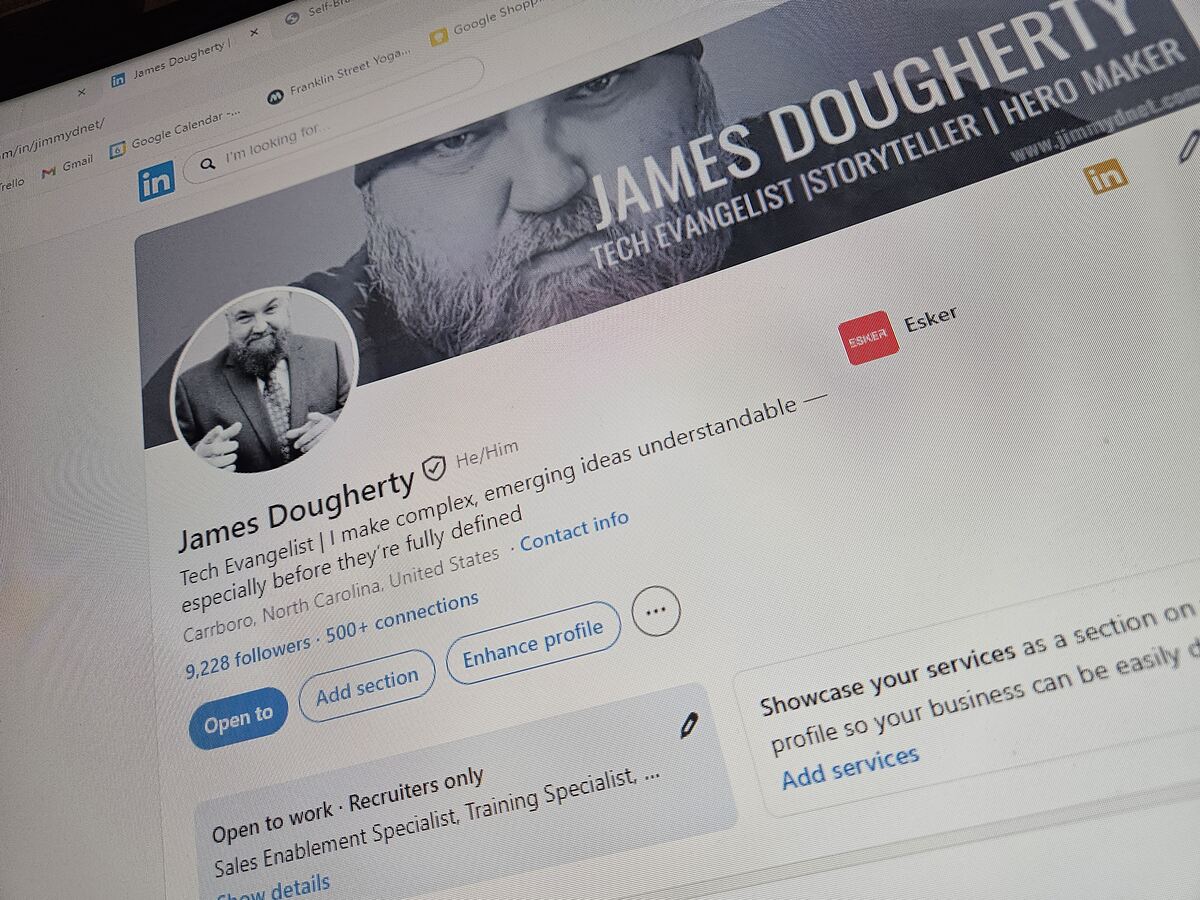
Self-branding is a full-time job.
Which is hilarious because I already have a full-time job.
So now I’m basically working two jobs:
- My actual job
- The job where I convince the internet I’m a real person with a mission, a voice, and enough emotional stability to post consistently
And if you’re wondering how I’m doing…
I’m not.
But I am committed. Which is like doing great, but with more caffeine and less sleep.
The Good News: I’m Weirdly Into This
Here’s the good news:
Self-branding is a passion for me.
Which means I’m one of those people who genuinely enjoys:
- marketing psychology
- strategy
- messaging
- storytelling
- positioning
- content frameworks
- overthinking words that normal humans don’t even notice
If you ever wanted to see a grown adult spend 45 minutes deciding between “clarity” and “alignment” for a sentence no one will remember…
Hi. I’m the problem. It’s me.
And for the record — this isn’t “me.”
I barely get the same shoes on in the morning.
I’m not some stylish branding wizard with a minimalist wardrobe and a perfectly curated desk setup.
If I still had a full head of hair, it would 100% be aggressively messy… like I just got out of a wind tunnel called ADHD.
So yeah… it’s extremely on-brand that I can’t consistently match my socks,
but I can build a 12-page brand voice document like I’m writing the Constitution.
It’s Not Just Marketing — It’s Writing Too
Self-branding isn’t only an exploration in marketing.
It’s also an exploration in writing.
And writing happens to be another hobby of mine — which is incredibly convenient because if it wasn’t, self-branding would just be me staring at a blinking cursor like:
“Hello, LinkedIn. Today I would like to announce that I am… a person.”
Writing gives the whole branding thing texture.
It turns “here’s what I do” into “here’s who I am.”
And yes — that’s dangerous, because now I’m emotionally attached to my posting schedule.
That’s Why I’m Writing This Blog
So why this blog?
Because I’m putting it out into the ether that, in today’s AI world…
you need more than a brand.
You need a voice guide.
A real one.
Not just “we’re friendly but professional.”
I mean an actual document — a little .md file (because of course it’s Markdown, we’re not animals) — that tells your AI writing team:
- what you sound like
- what you care about
- what you won’t say
- what phrases you use too much
- what jokes are off-limits
- how sarcastic is too sarcastic
- and how you would say something if your brain wasn’t made of noodles and panic
I’m Pretty Sure This Has a Technical Name
I’m guessing there’s a technical term for this.
Something like:
- “brand voice guidelines”
- “tone framework”
- “editorial voice standards”
- “personality schema”
- “linguistic identity architecture”
I don’t know.
I’m not a brand scientist.
I’m just a guy with a blog and a suspicious relationship with the phrase “human in the loop.”
But yes — brand voice existed long before AI.
Way before the AI frenzy.
It’s just that now…
the voice guide isn’t optional anymore
Because it’s not just humans reading your content.
It’s also robots.
Robots that can write 10,000 words in 12 seconds and still somehow sound like a high school guidance counselor on espresso.
So now the voice guide becomes the difference between:
- “This sounds like me”
and - “Who is this motivational ghost and why is he using the word ‘synergy’?”
The Problem: My Brain Treats This Like Scripture
Now here’s where things get personal.
Because with the way my noodle noodles…
When I discover something useful, I don’t casually adopt it like a normal person.
No no.
I hyperfocus.
I treat it like the gospel.
I don’t just create a voice guide.
I start building:
- version control
- naming conventions
- a folder structure
- a sacred taxonomy of vibes
- and a governance policy like I’m running the Vatican but for sarcasm
Suddenly I’m like:
“We must protect the tone at all costs.”
Meanwhile the rest of the world is just trying to remember their passwords.
Why This Actually Matters (Even If I’m Joking)
Here’s the real value:
In the AI era, your content isn’t just content anymore.
It’s infrastructure.
It’s not “a post.”
It’s not “a blog.”
It’s not “a caption.”
It’s training data for your future self.
It’s how people recognize you when your face isn’t in the room.
It’s how your ideas scale.
It’s how your business scales.
It’s how your reputation scales.
And if you’re using AI — even lightly — your voice guide becomes the blueprint for every asset you create:
- posts
- newsletters
- proposals
- landing pages
- scripts
- workshops
- decks
- thought leadership
It’s not about sounding perfect.
It’s about sounding consistent.
Because in a world where the internet is about to be 70% AI-generated noise…
The most valuable thing you can be is:
unmistakably you
Closing Thought (Before My Brain Finds Another Project)
So yes.
Self-branding is a full-time job.
But it’s also a craft.
A creative practice.
A way of making your work visible.
A way of building momentum.
A way of turning “I have ideas” into “I have a presence.”
And as much as I pretend to complain…
I kind of love it.
Because while everyone else is worried AI will replace them…
I’m over here building a robot writing team that sounds like me.
And if that’s not the most “2026” thing I’ve ever done…
I don’t know what is.
Want to Build Your Own Voice Guide Without Losing Your Mind?
If you’re sitting there thinking, “Cool Jimmy… but how do I actually make one of these magical Brand Voice Gospel documents?” — here are three resources that will get you moving fast:
- Mailchimp’s Voice & Tone Guide — basically the gold standard example of what a real brand voice guide looks like (clear, structured, actually useful).
- Copyhackers (Brand Voice + AI prompts) — for when you want to build your voice guide with AI instead of writing it from scratch like it’s 2007 and you enjoy suffering.
- Jasper’s Brand Voice Feature — even if you don’t use Jasper, it shows how voice guides become an actual system you can operationalize (aka: the dream).
Because in today’s AI world… your voice isn’t just a vibe anymore.
It’s documentation.
And yes — I understand how ridiculous that sounds coming from someone who sometimes can’t match socks.
Now if you’ll excuse me, I need to go update my voice guide again because I used the word “scale” three times and I’m emotionally uncomfortable.
#PersonalBranding #BrandVoice #BuildInPublic #AIWriting #ThoughtLeadership